
New York's hot sauce scene has exploded over the past decade, transforming from a niche market into a thriving ecosystem of artisan producers, specialty retailers, & dedicated enthusiasts. Finding authentic, locally-made hot sauces that capture the spirit of the Empire State requires knowing where to look & what to seek.
Local Specialty Stores Lead the Way
Independent food stores across New York stock an impressive array of locally-produced hot sauces. The Heatonist in Williamsburg sets the standard with their curated selection of regional producers, staffed by knowledgeable hot sauce sommeliers who can guide customers through flavor profiles & heat levels. These specialists understand the nuances between different New York makers, from Brooklyn-based operations to upstate farm producers.
Gourmet markets in Manhattan feature dedicated condiment sections highlighting New York hot sauce artisans. Dean & DeLuca, Zabar's, & Citarella regularly feature rotating selections from local producers, allowing customers to discover new flavors alongside established favorites. These premium retailers often host tasting events where customers can sample before purchasing, ensuring they find the right heat level & flavor combination.
Premium Retail Experiences
The best specialty stores create educational shopping environments where customers can learn about different pepper varieties, production methods, & regional characteristics that distinguish New York hot sauces from mass-market alternatives. Staff training ensures knowledgeable recommendations based on customer preferences & intended uses.
Product placement in these stores often tells stories about local producers, featuring information about farming practices, company histories, & flavor development that helps customers make informed purchasing decisions. This context adds value beyond simple product availability.
Farmers Markets Connect You Directly with Producers
Nothing beats meeting the maker behind your favorite hot sauce. New York's farmers markets serve as direct sales channels for small-batch producers who prioritize fresh ingredients & artisanal methods. The Union Square Greenmarket, Grand Army Plaza Greenmarket in Brooklyn, & smaller neighborhood markets throughout the boroughs regularly feature hot sauce vendors.
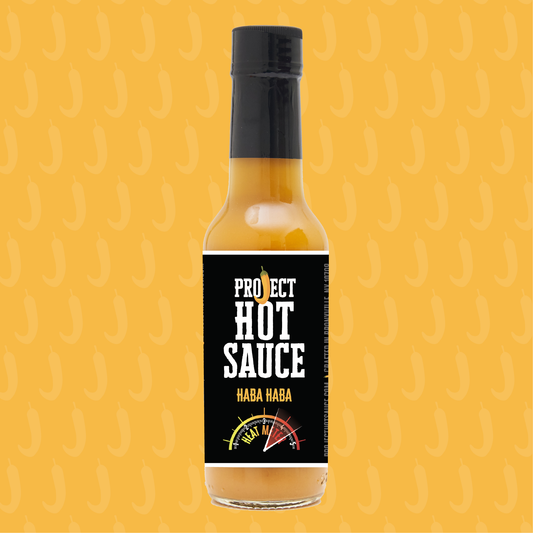
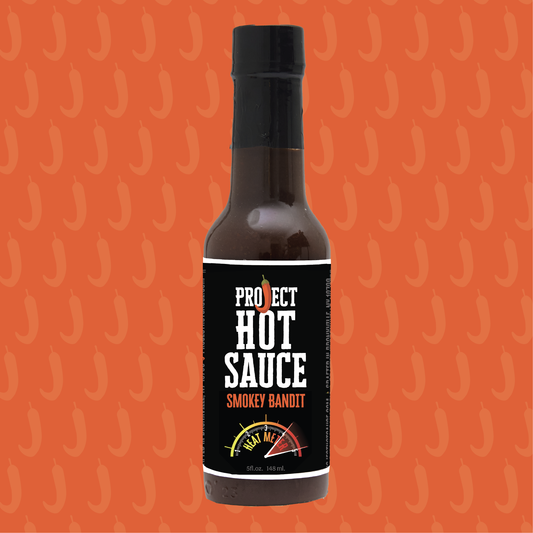
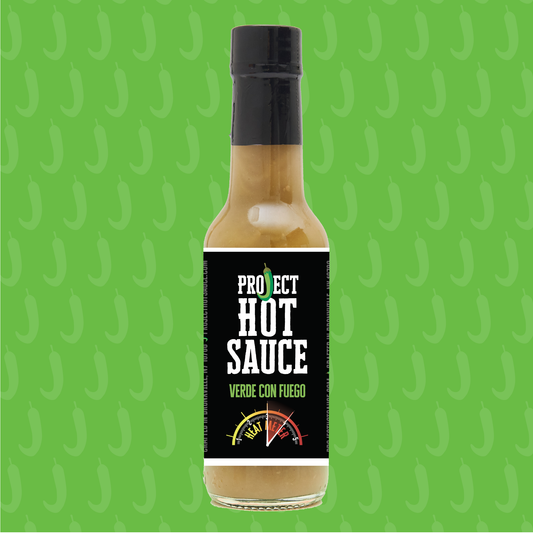
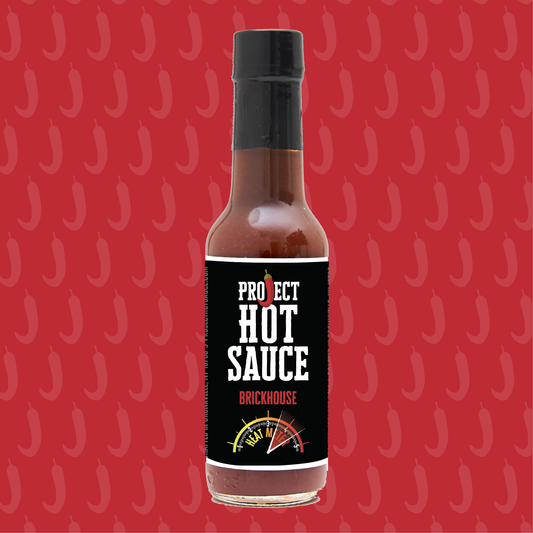
Project Hot Sauce exemplifies this direct-to-consumer approach, partnering with Hidden Acre Farm at the Bronxville Farmers Market. This relationship allows customers to see the farm-to-bottle process firsthand, understanding exactly where their peppers come from & how they're transformed into flavorful condiments. The personal connection between maker & consumer creates trust & loyalty that mass-produced brands simply cannot match.
Weekend markets in Queens, the Bronx, & Staten Island often feature lesser-known producers experimenting with regional pepper varieties & fusion flavor profiles. These venues offer opportunities to discover new hot sauces before they gain wider distribution, giving adventurous food lovers first access to innovative flavor combinations.
Seasonal Market Advantages
Farmers markets align with natural production cycles, meaning customers can access the freshest possible hot sauces during peak pepper harvest seasons. This timing ensures optimal flavor while supporting sustainable production practices that work with agricultural rhythms rather than against them.
The sampling opportunities available at farmers markets allow customers to taste before purchasing, ensuring satisfaction while building appreciation for artisanal production methods. These direct interactions provide feedback to producers while educating consumers about quality differences.
Online Platforms Expand Your Options
Digital marketplaces have revolutionized how New Yorkers discover & purchase local hot sauces. Many producers sell directly through their websites, offering detailed product descriptions, ingredient lists, & heat level ratings that help customers make informed decisions. This direct sales model often provides better pricing than retail stores while supporting small businesses more effectively.
Regional hot sauce subscription services curate monthly selections featuring New York producers, introducing subscribers to varieties they might never encounter otherwise. These services often include tasting notes, pairing suggestions, & background stories about the makers, creating an educational experience alongside the culinary one.
E-commerce platforms like Etsy showcase artisan hot sauce makers who produce extremely limited batches, often selling out within hours of posting new products. These micro-producers frequently experiment with seasonal ingredients, creating flavor profiles that capture specific moments in the agricultural calendar.
Digital Discovery Benefits
Online shopping eliminates geographic limitations, allowing customers throughout New York to access producers from any region within the state. This expanded access supports rural producers while providing urban consumers with authentic agricultural products.
Customer review systems help build trust & provide quality feedback that benefits both producers & future customers. These collaborative rating systems create accountability while highlighting exceptional products that might otherwise remain unknown.
Restaurant Partnerships & Custom Blends
Forward-thinking restaurants throughout New York collaborate with local hot sauce producers to create signature condiments that complement their cuisine. These partnerships often result in exclusive flavors available only at specific establishments, creating destination experiences for hot sauce enthusiasts.
Some producers offer custom blending services for restaurants, tailoring heat levels & flavor profiles to match specific menu items. This collaborative approach benefits both parties: restaurants get exclusive condiments that set them apart, while hot sauce makers gain exposure to new customer bases.
Culinary Innovation Through Collaboration
Restaurant partnerships often drive product innovation as chefs request specific characteristics or flavor profiles that challenge producers to develop new recipes. These collaborations frequently result in products that eventually become available to retail customers.
The professional kitchen environment provides testing grounds for hot sauce applications, helping producers understand how their products perform under different cooking conditions & with various ingredient combinations.
Seasonal Availability & Limited Releases
Understanding the seasonal nature of hot sauce production helps serious collectors plan their purchases. New York's growing season determines when fresh peppers are available, with most producers releasing their flagship products in late summer & early fall when pepper harvests peak.
Limited edition releases often coincide with pepper harvest seasons, featuring experimental varieties or special aging processes. Following local producers on social media alerts enthusiasts to these special releases, which frequently sell out within days of announcement.
Collector Strategies
Serious hot sauce collectors develop relationships with multiple producers to ensure access to limited releases & seasonal specialties. These relationships often provide advance notice of new products or exclusive access to experimental batches.
Storage considerations become important for collectors who purchase seasonal products intended to last throughout the year. Proper storage techniques preserve flavor quality while maintaining food safety standards.
Quality Indicators for New York Hot Sauces
Authentic New York hot sauces typically feature certain characteristics that distinguish them from mass-produced alternatives. Look for producers who list specific pepper varieties rather than generic hot peppers on ingredient labels. Many local makers specify their pepper sources, often naming particular farms or growing regions.
Small-batch production methods result in slight variations between bottles, which actually indicates authenticity rather than quality control issues. Mass-produced sauces maintain absolute consistency, while artisanal products may show subtle differences in color, texture, or intensity that reflect natural ingredient variations.
Fresh production dates matter significantly for hot sauce quality. Local producers typically include production or best-by dates, & their products generally taste best within 12-18 months of bottling. Unlike mass-produced sauces designed for extended shelf life, artisanal hot sauces prioritize flavor over longevity.
Authentication Methods
Reading ingredient lists carefully reveals production priorities & quality levels. Artisanal producers typically use shorter ingredient lists with recognizable components, while mass-market brands often include stabilizers, artificial colors, & preservatives that extend shelf life at the expense of flavor.
Packaging quality often reflects overall production standards. Serious producers invest in appropriate containers, professional labeling, & proper sealing methods that protect product quality while communicating brand values.
Supporting New York's hot sauce producers means choosing products that reflect local agricultural resources, creative flavor development, & traditional production methods. Whether shopping online, visiting farmers markets, or browsing specialty stores, customers have unprecedented access to authentic, locally-made hot sauces that capture the diverse flavors & innovative spirit of New York's food scene.